
Blog
Sports mouthguards: all you need to know
In this week’s Q&A, Dr Amita Bhagwat from our Tuam practice in Galway answers some frequently asked questions about when, why and how to use sports mouthguards
Q: What are sports mouthguards?
A: Sports mouthguards, or gum shields, are dental appliances that is worn over your teeth to help protect them from damage during contact and ball-based sports activities.
Q: Why should a mouthguard be worn?
A: During sporting and recreational activities, mouthguards provide cushioning for your teeth, gums and other soft tissues in the mouth. A properly-fitted mouthguard can help to protect the mouth from injuries such as broken or lost teeth, bruised or lacerated cheeks, and damaged or fractured jaws.
Q: Is it compulsory to wear a mouthguard for sports?
A: Since the GAA Congress ruling in April 2012, there has been a mandatory requirement for mouthguards for all Gaelic football matches. This move is in line with International sports such as American Football, Ice Hockey and Rugby Union.
Q: How is a custom mouthguard fitted?
A: Your dentist will first take impressions (moulds) of your teeth and gums, which will then be professionally manufactured in a laboratory to perfectly fit your mouth. Your dentist will discuss the type of guard suitable to the sports you play and customise it accordingly.
Q: What other options are available?
A: There are three types of mouthguard available in Ireland:
- Stock mouthguards are pre-formed and ready to wear. They are inexpensive but can feel cumbersome, and may occasionally affect breathing or talking.
- Boil and bite mouthguards are moulded in a basic way to your teeth and jaw structure. Typically, you place the mouthguard into warm water, and bite as per instructions to mould. While they do satisfy the mandatory ruling of most sports clubs, the CE mark must be present on packaging, to indicate that it has met certain acceptable standards.
- Custom mouthguards are professionally fitted to your mouth by a dentist, and offer the highest level of comfort and protection.
Q: Do children need to wear a mouthguard for sports?
A: Yes. Sports mouthguards should be worn by adults and children.

Q: How often should I change my mouthguard?
A: Replacement of a mouthguard is recommended each year for a growing child, as their jaw and teeth arrangement will change. For adults, replacement is needed when the guard is showing signs of wear. Bring your mouthguard to your dental check-up so that your dentist can assess whether it is giving you maximum protection.
Q: Can a mouthguard be worn with braces?
A: Yes. Those who have fixed metal or ceramic braces are particularly at risk of soft tissue injury and damage. Even a small injury to the mouth can lead to lacerations on the insides of the cheeks and lips, and can do serious damage to the braces themselves.
For more tips and advice on looking after your family’s oral health, visit dentalcareireland.ie
Main image: Camogie Association
Diabetes and oral health: the links
People with diabetes need to take good care of their oral health as they can be susceptible to various problems if their condition is not managed properly.
As the Diabetes Ireland Conference & Exhibition 2020 (DICE) begins today in Dublin, we look at the links between diabetes and oral health.
What is diabetes?
Diabetes is a condition that is caused by your body having insufficient insulin. Produced in the pancreas, insulin is a vital hormone that absorbs glucose (sugar) into your bloodstream which body cells then use for growth and energy. Diabetes is when your blood glucose (or blood sugar) is too high because your pancreas is not making enough insulin to enable all the sugar to be used.
What’s the difference between type 1 diabetes and type 2 diabetes?
Type 1 diabetes usually starts in childhood and people with the condition need to have injections of insulin. The cause of type 1 is due to the immune system destroying the cells in the pancreas that produce insulin.
Type 2 diabetes generally develops in adulthood and has often been linked to obesity and lack of exercise. It is a progressive condition and is usually treated with anti-diabetic medicine and/or insulin injections, as well as through diet changes and exercise.
Type 1 diabetes is also not preventable, whereas type 2 can be prevented with a healthy diet and effective weight management.
What is prediabetes?
This is when your blood glucose levels are too high but the condition has not yet caused diabetes proper. It is often an indication that type 2 diabetes will develop.
Is there a cure for diabetes?
Both type 1 and type 2 diabetes need to be treated in patients. For those with type 1, this involves daily management of insulin and to balance food intake or exercise, as well as insulin injections. Those with type 2 diabetes also need to control what they eat and exercise as well as taking medication. Many will also need to use insulin injections.
What are the risk factors for developing type 2 diabetes?
You are more likely to get type 2 diabetes if you:
- Are over 40
- Have family members with diabetes
- Are overweight
- Do not exercise regularly
- Have high blood pressure and/or high cholesterol.
How are dental health and diabetes linked?
People with diabetes often tend to develop issues such as gum disease, dry mouth, slow healing and infections. This is why it is important for people with the condition to really look after their dental health.
How does someone with diabetes keep their mouth healthy?
The following tips are important if you want to have good oral health:
- Monitor your blood glucose levels and take medication as required
- Brush teeth twice a day
- Floss your teeth every day
- Make sure you have a healthy diet
- See your dentist for frequent check-ups
- Do not smoke.
Diabetes and going to the dentist?
If you have diabetes, it is crucial that you let your dentist know as it will determine your treatment. He or she will also be able to advise you on how often you should have check-ups. Dentists also recommend that you eat a main meal before your appointment (as per the instructions of your medical team) and that you tell your dentist what medication, if any, you are on.
What oral health complications arise with diabetes?
These are the main issues that can arise if your diabetes is not being treated properly:
- Sore or swollen gums
- Bleeding gums
- Receding gums
- Loose teeth
- Bad breath.

What does Diabetes Ireland do?
Diabetes Ireland provides support, education and motivation to people living with diabetes. It also raises awareness of the conditions in the public domain as well as supporting research into it, its causes, treatments and cures. Its goal is to assist the thousands of Irish people who have diabetes, along with their families.
What is the Diabetes Ireland Conference & Exhibition 2020 (DICE)?
Every year, the charity organises various conferences at which national and international speakers convene to share knowledge and present papers on advances in the clinical treatment of diabetes. This year’s main event takes place on February 21st, 2020 in the Croke Park Conference Centre in Dublin. (Note: This event is for healthcare professionals only.)
To find out more about diabetes and oral health, check out the Diabetes Ireland website.
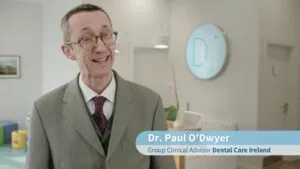
This video featuring Dr Paul O’Dwyer, group clinical advisor with Dental Care Ireland, also has valuable information about dental care and living with diabetes.
Find a list of all Dental Care Ireland practices nationwide, with full contact details.
Dentist in Claregalway continues to thrive in community
As its reputation grows, our dentist in Claregalway is providing a winning service to all its patients in the area and further afield
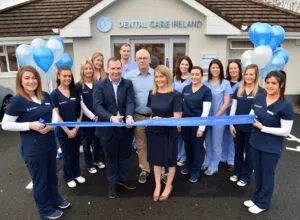
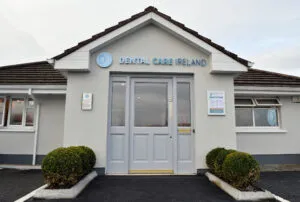
The Dental Care Ireland dentist in Claregalway, which is just over 10 kilometres from Galway city, is led by principal dentist Dr Martin McCarthy. The practice became part of Dental Care Ireland in 2018 and has gone from strength to strength since then.
Is there a dentist near me in Claregalway?
Our practice is in Cahergowan in Claregalway, Co Galway and provides the full range of dental treatments from check-ups and cleaning appointments to extractions and fillings.
Is there a good children’s dentist in Claregalway?
Our Galway dentist is accepting patients of all age and has always had a family-friendly apporoach.
Who is the best dentist in the Claregalway area?
Our highly qualified team of dentists pride themselves on providing dental care of the very highest standards to all our patients, whether they are looking for regular dental treatment or cosmetic dentistry.
What is the best dentist near me in Claregalway?
The team at Dental Care Ireland Claregalway now consists of six general dentists who work in the state-of-the-art premises. The practice is large with five fully operational surgeries.
What general treatments are carried out at the Galway dental practice?
The general dental treatments include examinations, extractions and fillings. We also fit bridges, dental crowns, veneers and dentures.
Where can I get teeth whitening in Galway?
The practice offers an extremely effective teeth whitening service. Patients attend and are fitted for unique dental trays. On a return visit, they are given their trays and a whitening gel which they can then use at home.
What specialist treatments are carried out in Dental Care Ireland Claregalway?
We carry out root canal treatment here in the practice. Also known as endodontics, root canal surgery involves your dentist or endodontist taking out infected or damaged tissue or ‘pulp’. He or she will then clean and disinfect the area before filling it and sealing it.
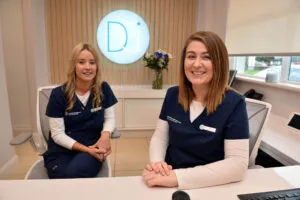
Can I claim my dental PRSI entitlements at Dental Care Ireland in Galway?
Yes, all our practices offer an Exam, Scale & Polish for just €15 as part of your PRSI entitlements. It is important to claim these as early as possible as a huge number of PRSI payers fail to claim theirs each year. To find out if you’re eligible, contact the practice and our friendly receptionists can check for you.
Is there parking at the Claregalway practice?
Yes, there is plenty of free parking at the practice, as well as disabled access.
Can I book online for dental treatments at your practices?
Yes, we have made it even easier to book an online appointment at the practice. Find out more and to book at a times that suits you and your family.
When is the Claregalway practice open?
The Claregalway practice’s opening hours are:
Monday: 9am-5pm
Tuesday: 8am-5pm
Wednesday: 8am-5pm
Thursday: 9am-5pm
Friday: 9am-5pm
Book an appointment in our Claregalway practice. You can also call the practice on 091798 333 or email the team on claregalway@dentalcareireland.ie.
To find out more about our Dental Care Ireland practice in Claregalway and about all our practices around the country, go here: https://www.dentalcareireland.ie/practices/
Bad breath: how to prevent it
With Valentine’s Day around the corner, Dr Paul O’Dwyer, group clinical advisor at Dental Care Ireland, answers some common questions on how to keep bad breath at bay
Q: What is the most common cause of bad breath?
A: Bad breath (halitosis) can often originate in the gums and tongue. It is typically caused by the bacteria in our mouths as they work to naturally break down food. Smoking is also a common cause. In some cases, persistent bad breath can also be a sign of underlying issues such as tooth decay or gum disease.
Q: Is stress a contributing factor?
A: Stress, dieting, age, hormonal changes, and dry mouth can all exacerbate the symptoms.
Q: How can I help prevent bad breath?
A: It is important to maintain a consistent oral health routine at home. Ideally, brush twice per day for two minutes with a fluoride toothpaste. Remember to include your tongue, as it can also harbour bacteria. Floss teeth at least once a day, to help clean areas that your toothbrush cannot reach. It is best to replace your toothbrush at least every three months, or after an illness.
Q: How can I avoid it after eating my favourite foods?
A: Strong-smelling foods and drinks, such as onions, garlic or coffee, can be detected on a person’s breath for up to 72 hours after digestion. The effect on your breath is usually only temporary. Drinking plenty of water and chewing sugar-free gum after a meal, will increase saliva flow, which helps eliminate the odour-causing bacteria.
Q: How can I manage bad breath from smoking?
A: Mouthwashes and smokers’ toothpastes may be effective in removing stains and freshening up the mouth. While they can mask the symptoms/signs of halitosis, however, they cannot treat any underlying damage caused by smoking. Smoking also irritates the gums and often contributes to your chances of tooth decay and gum disease.
Q: What should I do if my bad breath persists?
A: If your bad breath persists, it could be a sign of underlying issues including tooth decay or gum disease. Schedule a regular check-up with your dentist or dental hygienist to help maintain your oral health and prevent the occurrence of bad breath.
For more tips and advice on looking after your family’s oral health, visit dentalcareireland.ie
Teeth whitening: your questions answered
In our latest Q&A, Dr Lorna Mohan from our Cabinteely practice in Dublin answers some frequently asked questions about teeth whitening
Q: Am I a suitable candidate for teeth whitening?
A: A full check-up with your dentist is recommended to determine your suitability for teeth whitening. Professional teeth whitening is ideal for patients who have healthy teeth and gums with no tooth restorations such as fillings, crowns or veneers. You may not be a suitable candidate if you have gum disease, tooth decay or hypersensitivity.
Q: What does the treatment involve?
A: Once you are a suitable candidate, your dentist will work with you to identify the shade of white you wish to achieve. Impressions will then be taken of your teeth to develop customised whitening trays which you can use yourself at home. Your bespoke whitening kit will include the trays and a special whitening gel.
Q: How long does the treatment take?
A: Teeth whitening trays and gel are typically used at home for one hour per day for approximately seven to 14 days, depending on the shade you wish to achieve.
Q: How white will my teeth go?
A: The shade you are able to achieve will depend on the shade of your teeth at the outset. Your dentist will be able to advise you on the likely outcome before you begin.
Q: Will I feel pain or sensitivity?
A: You may experience some sensitivity during the whitening process. This is completely normal and should disappear when you finish your whitening treatment. If you usually have sensitive teeth, it may be helpful to use a sensitive toothpaste before and during whitening.
Q: Does the treatment whiten crowns, veneers or fillings?
A: No. Teeth whitening only works on natural teeth. Crowns, veneers or tooth-coloured fillings will not whiten. If you have any crowns, veneers or fillings in your front teeth, you may need to have these replaced after your whitening treatment to match them to your new, whiter shade.
Q: Are the results permanent?
A: The effects of whitening will vary from person to person. Results may be impacted by smoking or consuming certain foods and drinks such as tea, coffee, red wine and blackcurrant.
Q: How can I maintain my brighter smile?
A: After the initial application, you will have plenty of whitening gel which you can use to top-up your tooth shade annually or as needed. Try to maintain a good oral health routine at home, avoid smoking, eat a balanced diet, drink plenty of water, and schedule regular visits to your dentist or dental hygienist to keep your teeth clean and healthy.
For more tips and advice on looking after your family’s oral health, visit dentalcareireland.ie
Invisalign: all you need to know
The Invisalign system has revloutionised the approach to teeth straightening, allowing people of all ages to wear removable ‘braces’ that are practically invisible
While traditional ceramic and metal braces are still used, particularly for teenagers, Invisalign removable aligners have made the process of getting your teeth straightened easier and more accessible.
What are Invisalign braces?
Invisalign is an innovative system for straightening teeth that uses clear aligners instead of traditional metal or ceramic braces. It is a form of orthodontics that is less invasive and easier to use.
Where can I get Invisalign braces?
They are available in the following Dental Care Ireland practices:
Greystones: Greystones Braces & Invisalign in Co Wicklow
Kilkenny: Braces & Invisalign Callan Dental in Callan
We will also be rolling them out in other Dental Care Ireland practices in the coming months, many of which already do orthodontics.
Is there a dentist near me that does Invisalign?
If you are living in Wicklow or Kilkenny, our practices in Greystones and Callan offer this service.
How much does Invisalign cost?
This varies depending on the amount of work your teeth need. Find a general guide to fees for all treatments in Dental Care Ireland practices.
How long do Invisalign braces last?
Your dentist or orthodontist will be able to advise you on this as it will depend on the severity of the issue. In general, they are usually worn for about 12 months, with patients recommended to keep them in for 20-22 hours a day.
Do Invisalign braces work?
Yes, these clear aligners have been shown to be very effective for straightening teeth. It is worth bearing in mind that they will not work for everybody and more severe problems will need traditional orthodontic treatment.
How long does it take to get Invisalign ftitted?
You will need to visit your dentist or orthodontist at least twice to get assessed and to be measured for your own unique ‘trays’ or aligners. A 3D impression is taken of your teeth and the team will assess how they want your teeth to move. You will then be given different aligners to use as your teeth being shifting.
Do Invisalign braces hurt?
In general, they don’t but you may experience some discomfort.
Are Invisalign aligners worth it?
They have been shown to be an extremely effective method for straightening teeth in patients of all ages and there is not a huge price difference between them and standard orthodontic treatment.
What’s the difference between Invisalign and normal braces?
The aligners are almost invisible, meaning people feel more comfortable wearing them. However, in many cases, traditional ceramic or metal braces are still used.
Can children get Invisalign?
Yes, they can be used by teenagers instead of traditional orthodontic treatment. Your dentist or orthodontist will advise you on what is the best system for your child’s particular situation. Sometimes it is simply better to use metal or ceramic braces.
What do I need to do once they are fitted?
Your dentist or orthodontist will give you all the advice you need about using these clear aligners. They should be worn for 20-22 hours a day in order to get the best results in the shortest timeframe. They also need to be removed when eating or drinking; you should then brush your teeth before re-inserting them.
To find out more about all teeth straightening options available from Dental Care Ireland, go here: www.dentalcareireland.ie/specialist-treatment/orthodontics/
You’ll find a list of all our practices nationwide, with full contact details here: www.dentalcareireland.ie/practices/
Dental veneers: all your questions answered
Dental veneers are an efficient and cost-effective way of covering up blemishes on your teeth to leave you with a bright, white smile
During our daily lives, we all endure wear and tear on our teeth, from staining due to food and drink to more serious issues such as chipped or broken teeth. Dental veneers continue to grow in popularity with patients of all ages as a quick fix for these kinds of issues.
What are dental veneers?
Essentially, they are super-thin, tooth-coloured ‘shells’ or strips that are fitted on top of existing teeth to cover up any blemishes that have been sustained. They are also known as composite veneers or porcelain veneers or laminates. They are generally used on front teeth where damage is most noticeable.
What will they achieve?
The purpose of veneers is to improve the appearance of your teeth. Many people feel self-conscious if they have stains, marks or chips on their front teeth. Getting veneers will deal with this and restore your natural smile. This gives patients renewed self-confidence about their appearance.
What are veneers made of?
Porcelain remains the main material used in veneers. The thin strips of porcelain can be fitted on top of your upper and lower teeth using a bonding agent. They generally result in a matching set of front teeth.
Composite veneers are made from a resin which the dentist attaches to your teeth. They are generally less invasive as a treatment than porcelain ones and are becoming more and more popular.
Are veneers the best option for me?
Dental veneers are generally regarded as an aesthetic fix for discoloured or chipped teeth. If you just want to ‘repair’ your smile, they are ideal as they can be done quickly and are a very effective solution.
However, if you have deeper issues, dental crowns, bridges or implants may be a more permanent solution. Dentures are also an option, depending on the extent of the problem. You can discuss this with your dentist who will be able to advise you on the best course of action for you.
How long does it take to get veneers?
Getting them fitted usually requires just two visits to your dentist. On the first one, the dentist gets your teeth ready for the fitting as well as taking a mould of your teeth. These are then sent our laboratory where your unique veneers are created.
When you return for the second appointment, your dentist will be able to ‘cement’ your veneers in place.
How much do dental veneers cost?
Prices vary depending on how much work you need done. You will find a general guide to fees at Dental Care Ireland practices here.
How long do they last?
This will depend on various factors, including age, diet and general usage. Normally, porcelain veneers can be expected to last from 10 to 15 years or longer. Composite veneers generally last anywhere from five to eight years. Your dentist will advise you which ones will suit you best.
Veneers can sometimes get chipped or damaged through use. If this happens, contact your dentist who will assess the issue and recommend replacing them if necessary.
Is it painful to get veneers fitted?
In general, no. Getting veneers made and fitted is a quite straightforward procedure. Sometimes a dentist will opt to numb your teeth during the fitting.
How safe are they?
They are extremely safe and patients rarely if ever have complications relating to the fitting and wearing of dental veneers.
What happens if I have problems after treatment?
You may experience some sensitivity after getting veneers fitted. If you do have any problems, contact your dentist immediately and they will bring you back in for a check-up.
Where in Dublin can I get dental veneers?
Our practices in Dublin 18 (Veneers Cabinteely), Dublin 16 (Veneers Knocklyon) and north Dublin (Veneers Swords ) all fit veneers. Our partner practice in Dublin 2/Dublin 4 also provides this service (Veneers Northumberland Dental Care).
Where can I get dental veneers near me?
The following Dental Care Ireland practices offer dental veneer services:
and
Our partner practice in Dublin 4, Northumberland Dental Care, also does them: Veneers Northumberland Dental Care
Find out more about getting veneers fitted at Dental Care Ireland. Also find a list of all our practices nationwide, with full contact details.
Knocklyon dentist offers the best dental treatment for local community
Is there a dentist near me in Knocklyon?
Dental Care Ireland Knocklyon is located in the Supervalu Shopping Centre in Knocklyon in Dublin 16. As well as general dentistry, our Knocklyon dentist practice has the best orthodontic treatment available for both children and adults.
To book an appointment in our Knocklyon practice, you can call the practice on (01) 493 6909 or email the team at knocklyon@dentalcareireland.ie.
If you are looking for a dentist in the Dublin 16 area, the Dental Care Ireland Knocklyon dentist practice has been recently refurbished and provides the best care in its state-of-the-art premises.
Is there a good children’s dentist in Dublin 16?
Our practice in Knocklyon caters for patients of all ages, including young children and teenagers.
Who is the best dentist in the Templeogue/Terenure areas of Dublin?
Dental Care Ireland Knocklyon, which has been part of the Dental Care Ireland group of practices since 2015, prides itself on providing an excellent service to all its patients. Building on the reputation of Knocklyon Dental Surgery, the practice originally established by Dr Vincent McDonagh, it has gone from strength to strength over the past five years.
What is the best dentist near me in Dublin 16?
The team in Knocklyon is led by Dr McDonagh, Dr Suzanne O’Connor and our orthodontist, Dr Lian O’Dwyer.
Is there an orthodontist near me in Dublin 16?
Orthodontic treatment in Knocklyon is provided by Dr O’Dwyer. She also offers free consultations for metal and ceramic braces and for Invisalign.
What general treatments are carried out at Dental Care Ireland Knocklyon?
Our Dublin 16 practice offers the full range of dental treatments including check-ups, cleaning, crowns, bridges, veneers and extractions. Get in touch to make an appointment. It also offers an Exam, Scale & Polish for just €15 as part of your PRSI entitlements.
Where can I get teeth whitening in Dublin 16?
Our practice, which is in the Knocklyon Shopping Centre in Dublin 16, offers a very effective teeth whitening service. During the treatment, unique whitening trays are created to fit your mouth. You then use a whitening gel in these which will whiten your teeth at home.
What specialist treatments are carried out in Dental Care Ireland Knocklyon?
As well as teeth whitening, you can get dental implants and root canal treatment in the practice.
Dental implants are used to fill gaps left by missing teeth and are considered the most effective way to restore your mouth to its natural look and shape.
Endodontic or root canal treatment is used to fix teeth that have become decayed or infected. Your dentist or endodontist will remove any infected nerve or pulp, clean the area and then seal it to prevent further issues.
Is there parking at the Knocklyon practice?
There is plenty of parking available in the Supervalu Shopping Centre where our practice is located. Knocklyon is also well serviced by public transport.
Can I book online for dental treatments at your practices?
Yes, we now have an extremely efficient online booking service for Knocklyon and all our practices in Dublin and around the country.
When is the Dublin 16 practice open?
The Knocklyon practice’s opening hours are:
Monday: 8am-7.30pm
Tuesday: 8am-7.30pm
Wednesday: 8am-7.30pm
Thursday: 9am-7.30pm
Friday: 8am-6pm
Saturday: 8am-1pm
Book an appointment in our Knocklyon practice. You can also call the practice on (01) 493 6909 or email the team at knocklyon@dentalcareireland.ie.
To find out more about our Dental Care Ireland practice in Knocklyon, Dublin and about all our practices around the country, go here: https://www.dentalcareireland.ie/practices/
New Year’s resolutions for healthy teeth
January is the time for New Year’s resolutions and we have a few simple suggestions on how to have better dental health in 2020
The New Year is the ideal time to start good new habits as well as making sure you keep up the old ones. Below we’ve come up with a few New Year’s resolutions for you to make sure that you and your family maintain good oral health throughout 2020 and beyond.
Keep cleaning
Regular brushing and flossing are the basis for having strong, clean teeth. You may already have a good routine for both, but it’s worthwhile making sure you keep them up consistently. One way is to brush and floss at the same time every day if possible so it becomes a habit you won’t forget.
It’s also worth getting your children into similar habits from an early age. The more of a habit it is, the more likely they are to keep it up throughout their childhood and beyond.
Get check-ups
It is worthwhile visiting your dentist for check-ups at least once a year, though this will depend on various factors, including your age and your general dental health. Check-ups are so important as dentists can see if any problems are developing and make sure they are fixed before they get worse and need more serious intervention.
As it is January, why not make an appointment with your dentist now? Pick up the phone right away or book online immediately for yourself and your family. That way, it is done and you will have taken an important step towards having good oral health for the rest of the year.
You will find a list of our practices with contact details here.
Visit your hygienist
While brushing and flossing regularly are crucial, a dental hygienist will be able to give your mouth a deeper, more effective clean. We recommend that you see a hygienist once every six months so as to make sure you have healthy teeth and gums.
A hygienist will remove any build-up of plaque or tartar which brushing and flossing can’t always achieve. He or she will also polish your teeth, leaving your mouth feeling clean and refreshed.
Hygienists will also be able to advise you on how to improve your brushing and flossing, as well as spotting any potential problems which may need more serious action.
Claim your dental PRSI entitlements
If you pay PRSI – as some two and a half million people in this country do – you may be entitled to free or discounted dental care under the Government’s Treatment Benefit Scheme. It is worth noting that each year hundreds of thousands of taxpayers do not claim this as they are unaware that they may be eligible.
To find out if you are eligible and to claim your entitlements, visit our PRSI Entitlements page. Again, it is worth doing now so that it is taken care of for 2020. Too many people put it off and then forget to claim their entitlements later in the calendar year.
Look after your children’s teeth
The best way to get children to brush and floss regularly is to make both a part of their daily routine, so that it becomes a habit. It is also worthwhile brushing and flossing at the same time as your children, particularly with younger ones, so it becomes a regular thing you do together.
You should also make appointments for your children to see a dentist on a regular basis, so their development can be tracked. This will allow their dentist to spot problems early and to make recommendations regarding fillings, orthodontics and other necessary dental work.
Eat better, drink better
Obviously, diet plays a huge part in how healthy your teeth are. With the New Year, make sure to cut down on sugary food and drinks. Try to replace sweet snacks with healthier ones and juices with water.
Again, if you and your children do this together, it makes it easier for all concerned. Focus on cheese and yogurt and on vegetables and fruit such as celery, leafy greens, carrots and apples.
Lastly, we here at Dental Care Ireland would like to wish all our patients and their families a happy, healthy 2020.
Happy New Year!
For more information on the services offered by Dental Care Ireland practices around the country and to find the practice nearest you, go here: https://www.dentalcareireland.ie/
Dentist opening hours over Christmas and the New Year
You never know when you will need dental care so it is good to be aware of our dentist opening hours over the holiday season
There are now 14 Dental Care Ireland practices around the country, including one in Carlow, four in Dublin, two in Galway, one in Kilkenny, one in Mayo, three in Meath, one in Wicklow and one in Offaly. If you need emergency dental care or to see a dentist over the holidays, you can check out our dentist opening hours for each practice on the list below.
For more on how to cope with a dental emergency, read our piece here with Dr Maura McGuinness from our Navan practice in Meath.
We’d also like to take this opportunity to wish all our patients and their families a very happy Christmas and a wonderful New Year.
Best wishes from all at Dental Care Ireland
DENTIST OPENING HOURS
Ashbourne, Co Meath
- Monday, December 23rd: 9am-5.30pm
- Tuesday, December 24th: Closed
- Christmas Day, December 25th: Closed
- St Stephen’s Day, December 26th: Closed
- Friday, December 27th: Closed
- Saturday, December 28th: Closed
- Sunday, December 29th: Closed
- Monday, December 30th: 10am-1pm
- Tuesday, December 31st: Closed
- Wednesday, January 1st: Closed
- Thursday, January 2nd: 9am-5.30pm
Click here for more on Dental Care Ireland Ashbourne.
Cabinteely, Dublin 18
- Monday, December 23rd: 9am-6pm
- Tuesday, December 24th: Closed
- Christmas Day, December 25th: Closed
- St Stephen’s Day, December 26th: Closed
- Friday, December 27th: 10am-12 noon
- Saturday, December 28th: Closed
- Sunday, December 29th: Closed
- Monday, December 30th: 9am-6pm
- Tuesday, December 31st: 9am-1pm
- Wednesday, January 1st: Closed
- Thursday, January 2nd: 9am-7.30pm
Click here for more on Dental Care Ireland Cabinteely.
Callan, Co Kilkenny
- Monday, December 23rd: 8.30am-1pm
- Tuesday, December 24th: 8.30am-11am
- Christmas Day, December 25th: Closed
- St Stephen’s Day, December 26th: Closed
- Friday, December 27th: 8.30am-11am
- Saturday, December 28th: Closed
- Sunday, December 29th: Closed
- Monday, December 30th: Closed
- Tuesday, December 31st: 8.30am-11am
- Wednesday, January 1st: Closed
- Thursday, January 2nd: 8.30am-8.30pm
Click here for more on Callan Dental in Co Kilkenny.
Carlow, Co Carlow
- Monday, December 23rd: 8am-7.30pm
- Tuesday, December 24th: Closed
- Christmas Day, December 25th: Closed
- St Stephen’s Day, December 26th: Closed
- Friday, December 27th: 9am-1pm
- Saturday, December 28th: Closed
- Sunday, December 29th: Closed
- Monday, December 30th: 10am-3pm
- Tuesday, December 31st: Closed
- Wednesday, January 1st: Closed
- Thursday, January 2nd: 9am-7pm
Click here for more on Dental Care Ireland Carlow.
Castlebar, Co Mayo
- Monday, December 23rd: 8am-5pm
- Tuesday, December 24th: Closed
- Christmas Day, December 25th: Closed
- St Stephen’s Day, December 26th: Closed
- Friday, December 27th: Closed
- Saturday, December 28th: Closed
- Sunday, December 29th: Closed
- Monday, December 30th: 9am-1pm
- Tuesday, December 31st: 9am-1pm
- Wednesday, January 1st: Closed
- Thursday, January 2nd: 8am-5pm
Click here for more on Dental Care Ireland Castlebar in Co Mayo.
Claregalway, Co Galway
- Monday, December 23rd: 9am-5.15pm
- Tuesday, December 24th: 10am-1pm
- Christmas Day, December 25th: Closed
- St Stephen’s Day, December 26th: Closed
- Friday, December 27th: Closed
- Saturday, December 28th: Closed
- Sunday, December 29th: Closed
- Monday, December 30th: 10am-1pm
- Tuesday, December 31st: 10am-1pm
- Wednesday, January 1st: Closed
- Thursday, January 2nd: 9am-5pm
Click here for more on Dental Care Ireland Claregalway in Co Galway.
Greystones, Co Wicklow
- Monday, December 23rd: 9am-6pm
- Tuesday, December 24th: 9am-1pm
- Christmas Day, December 25th: Closed
- St Stephen’s Day, December 26th: Closed
- Friday, December 27th: 9am-1pm
- Saturday, December 28th: Closed
- Sunday, December 29th: Closed
- Monday, December 30th: 9am-5pm
- Tuesday, December 31st: 9am-5pm
- Wednesday, January 1st: Closed
- Thursday, January 2nd: 9am-5.30pm
Click here for more on Dental Care Ireland Greystones in Co Wicklow.
Kells, Co Meath
- Monday, December 23rd: 9am-5pm
- Tuesday, December 24th: Closed
- Christmas Day, December 25th: Closed
- St Stephen’s Day, December 26th: Closed
- Friday, December 27th: Closed
- Saturday, December 28th: Closed
- Sunday, December 29th: Closed
- Monday, December 30th: 9am-5pm
- Tuesday, December 31st: 9am-5pm
- Wednesday, January 1st: Closed
- Thursday, January 2nd: 9am-7pm
Click here for more on Dental Care Ireland Kells in Co Meath.
Knocklyon, Dublin 16
- Monday, December 23rd: 8am-7.30pm
- Tuesday, December 24th: 8am-11am
- Christmas Day, December 25th: Closed
- St Stephen’s Day, December 26th: Closed
- Friday, December 27th: Closed
- Saturday, December 28th: Closed
- Sunday, December 29th: Closed
- Monday, December 30th: 8am-1pm
- Tuesday, December 31st: 10am-1pm
- Wednesday, January 1st: Closed
- Thursday, January 2nd: 8am-5.30pm
Click here for more on Dental Care Ireland Knocklyon in Dublin 16.
Navan, Co Meath
- Monday, December 23rd: 8am-4.30pm
- Tuesday, December 24th: Closed
- Christmas Day, December 25th: Closed
- St Stephen’s Day, December 26th: Closed
- Friday, December 27th: 9am-3pm
- Saturday, December 28th: Closed
- Sunday, December 29th: Closed
- Monday, December 30th: 9am-4pm
- Tuesday, December 31st: 9am-4pm
- Wednesday, January 1st: Closed
- Thursday, January 2nd: 8am-5pm
Click here for more on Dental Care Ireland Navan in Co Meath.
Swords, Co Dublin
- Monday, December 23rd: 8am-4pm
- Tuesday, December 24th: Closed
- Christmas Day, December 25th: Closed
- St Stephen’s Day, December 26th: Closed
- Friday, December 27th: 9am-1pm
- Saturday, December 28th: Closed
- Sunday, December 29th: Closed
- Monday, December 30th: 9am-1pm
- Tuesday, December 31st: Closed
- Wednesday, January 1st: Closed
- Thursday, January 2nd: 8am-5pm
Click here for more on Dental Care Ireland Swords in North County Dublin.
Tuam, Co Galway
- Monday, December 23rd: 8am-5pm
- Tuesday, December 24th: Closed
- Christmas Day, December 25th: Closed
- St Stephen’s Day, December 26th: Closed
- Friday, December 27th: Closed
- Saturday, December 28th: Closed
- Sunday, December 29th: Closed
- Monday, December 30th: 9am-1pm
- Tuesday, December 31st: Closed
- Wednesday, January 1st: Closed
- Thursday, January 2nd: 9am-5pm
Click here for more on Dental Care Ireland Tuam in Co Galway.
Tullamore, Co Offaly
- Monday, December 23rd: 9am-6pm
- Tuesday, December 24th: Closed
- Christmas Day, December 25th: Closed
- St Stephen’s Day, December 26th: Closed
- Friday, December 27th: Closed
- Saturday, December 28th: Closed
- Sunday, December 29th: Closed
- Monday, December 30th: Open
- Tuesday, December 31st: Open
- Wednesday, January 1st: Closed
- Thursday, January 2nd: 9am-6pm
Click here for more on Dental Care Ireland Tullamore in Co Offaly.
Northumberland Dental Care, Dublin 4
- Monday, December 23rd: Open*
- Tuesday, December 24th: Closed
- Christmas Day, December 25th: Closed
- St Stephen’s Day, December 26th: Closed
- Friday, December 27th: Closed
- Saturday, December 28th: Closed
- Sunday, December 29th: Closed
- Monday, December 30th: Closed
- Tuesday, December 31st: Closed
- Wednesday, January 1st: Closed
- Thursday, January 2nd: Open*
- Friday,January 3rd: Open*
*Administration open only.
Click here for more on Northumberland Dental Care, a Dental Care Ireland partner
For more on our dentist opening hours, go to https://www.dentalcareireland.ie/practices/
You’ll find a list of all our practices nationwide, with full contact details, here.
