
To Floss or Not to Floss?
October 5th, 2016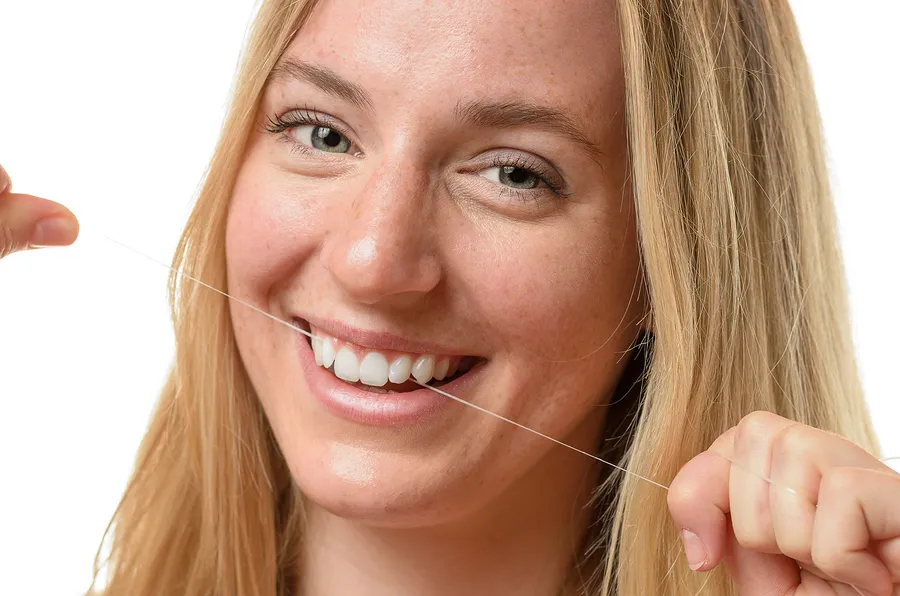
To Floss or Not to Floss?
Earlier in the summer media reports suggested that the health claims for dental flossing were unproven due to a lack of long-term studies. The issue received widespread media attention and caused a lot of confusion among the general public. The question remained To Floss or not to Floss?
According to Dr Kieran Davitt, Group Clinical Advisor, Dental Care Ireland, while the media reports pointed to a lack of long-term studies or evidence to prove that flossing was effective in reducing dental decay, from a clinical point of view, “every dentist and every hygienist would notice a big difference in a patient’s oral health” if they are flossing regularly.
Flossing reduces decay but it will also improve your gum health as well, Dr Davitt stated.
According to Dr Davitt reports questioning the effectiveness of flossing have been a little misleading.
“From a clinical point of view we can tell the difference if a patient is flossing…it will reduce bleeding in the gums and the gums will be in much better shape. It makes sense if food is caught in between back teeth you need to remove it,” he stated.
Dr Davitt said he wanted to reassure patients and encourage them to continue to floss once a day as it reduces dental cavities and improves gum health.
He said while there are various ways to floss, the standard method involved winding standard floss around your index fingers, placing it between the teeth and move it up and down a number of times.
“There are other types of floss like flosettes that some patients prefer because they have a handle on them so they can get into back teeth a little bit better, but it is up to the individual. Sometimes the floss on a handle or the flosettes can be a little bit more expensive, so if you can get used to the standard tape, the standard floss, it is not as expensive,” Dr Davitt explained.
Another option is interdental brushes, which look like tiny bottle brushes. These come in different sizes depending on the interdental space.
“Sometimes for patients the space in between the teeth might be a little bit wider and if you are flossing, then it probably isn’t as effective in some of those spaces. If you have spaces between back teeth sometimes the interdental brushes are a bit more effective. Whereas if you have front teeth that are very tight together, it would be difficult to get an interdental brush in there, so you are better off with floss,” he added.
According to the Dental Health Foundation Ireland, periodontal or gum disease is a pathological inflammatory condition of the gum and bone support surrounding the teeth. Most Irish adults suffer from some form of periodontal disease: based on the most recent national oral health survey, only 18 per cent of 16–24 year olds, 8 per cent of 35–44 year olds and 7 per cent of older people aged 65 years and over have healthy gums.
The two most common periodontal diseases are: gingivitis – inflammation of the gum at the necks of the teeth, and periodontitis – inflammation affecting the bone and tissues of the teeth.
As Dr Davitt stated regular flossing can help to keep your gums healthy and while this is very important for your overall oral health, it can be equally important for your overall physical health as well.
The link between oral health and overall physical health has been well proven with research suggesting that gum disease may increase the risk of a number of health conditions including stroke, heart disease and diabetes.
“When people present to us with gum disease we stress to them that the first issue here is the gum disease and you are at risk of losing your teeth or losing gum attachment, but there is the risk of cardiovascular disease as well. You really should be looking at your overall health and systemic health. If somebody comes in with gum disease there is an increased risk of cardiovascular disease as well,” Dr Davitt stated.
According to Dr Davitt there are a number of systemic diseases that can affect gum health and these include diabetes.
“Anyone with diabetes would be much more prone to gum disease. Somebody with diabetes whether it is type 1 or type 2 should be attending a dentist or hygienist for regular check ups and cleanings”.
According to Dr Davitt the main take home message from the great floss debate would be not to be put off by the recent reports and to continue to floss every day.
“Every dentist would still recommend that you should be brushing at least twice and day and flossing once a day. Absolutely, we would still recommend flossing.”
