
Mouth Cancer Awareness Day: your questions answered
September 15th, 2019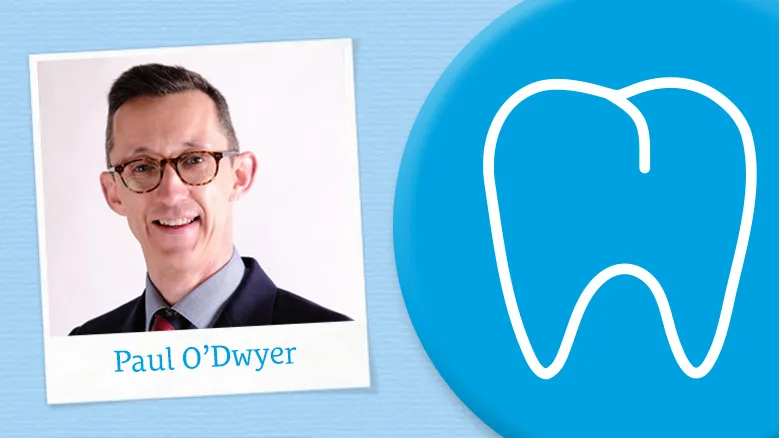
On Mouth Cancer Awareness Day and in the first of a series of Q&As, our group clinical advisor, Dr Paul O’Dwyer, answers some common queries about the risk factors and symptoms of mouth cancer.
How common is mouth cancer in Ireland?
There are over 700 cases of mouth, head and neck cancer reported in Ireland every year and that is why Mouth Cancer Awareness Day is so important.
What are the symptoms of mouth cancer?
Some signs and symptoms of mouth cancer include ulcers that do not heal within three weeks, red or white patches in the mouth, a lump or other unusual change in the mouth or neck, difficulty swallowing or chewing, persistent sore throat or hoarseness, and unexplained loose teeth.
Who is most at risk?
Mouth cancer is more common in men and older people. However, the number of women and younger people being diagnosed is rising. There are a number of risk factors for mouth cancer:
- Smoking or chewing tobacco
- Excessive alcohol consumption
- Using both tobacco and alcohol together
- Excessive exposure to sunlight or radiation
- A diet lacking in fruit and vegetables
- Viral infections such as human papillomavirus (HPV)
Can my dentist detect mouth cancer?
Your dentist will examine your mouth for any changes, which may include mouth cancer, as part of your routine dental check-up. It is important to visit your general dentist regularly even if you have no remaining natural teeth.
What does a mouth cancer examination involve?
A mouth cancer exam is painless and quick. As part of your routine check-up, your dentist will examine both inside and outside your face, neck, lips and mouth to check for any possible signs of cancer.
How can I help to prevent mouth cancer?
Early detection of mouth cancer greatly improves the treatment outcome and chances of survival.
- Visit your dentist regularly, even if you wear dentures
- Look out for any changes in your mouth or neck
- Use a barrier cream on lips during sun exposure
- Eat plenty of fresh fruit and vegetables
- Do not smoke
- Avoid alcohol
For more tips and advice on looking after your family’s oral health, visit dentalcareireland.ie.
