
Dental Anxiety: FAQ
October 21st, 2021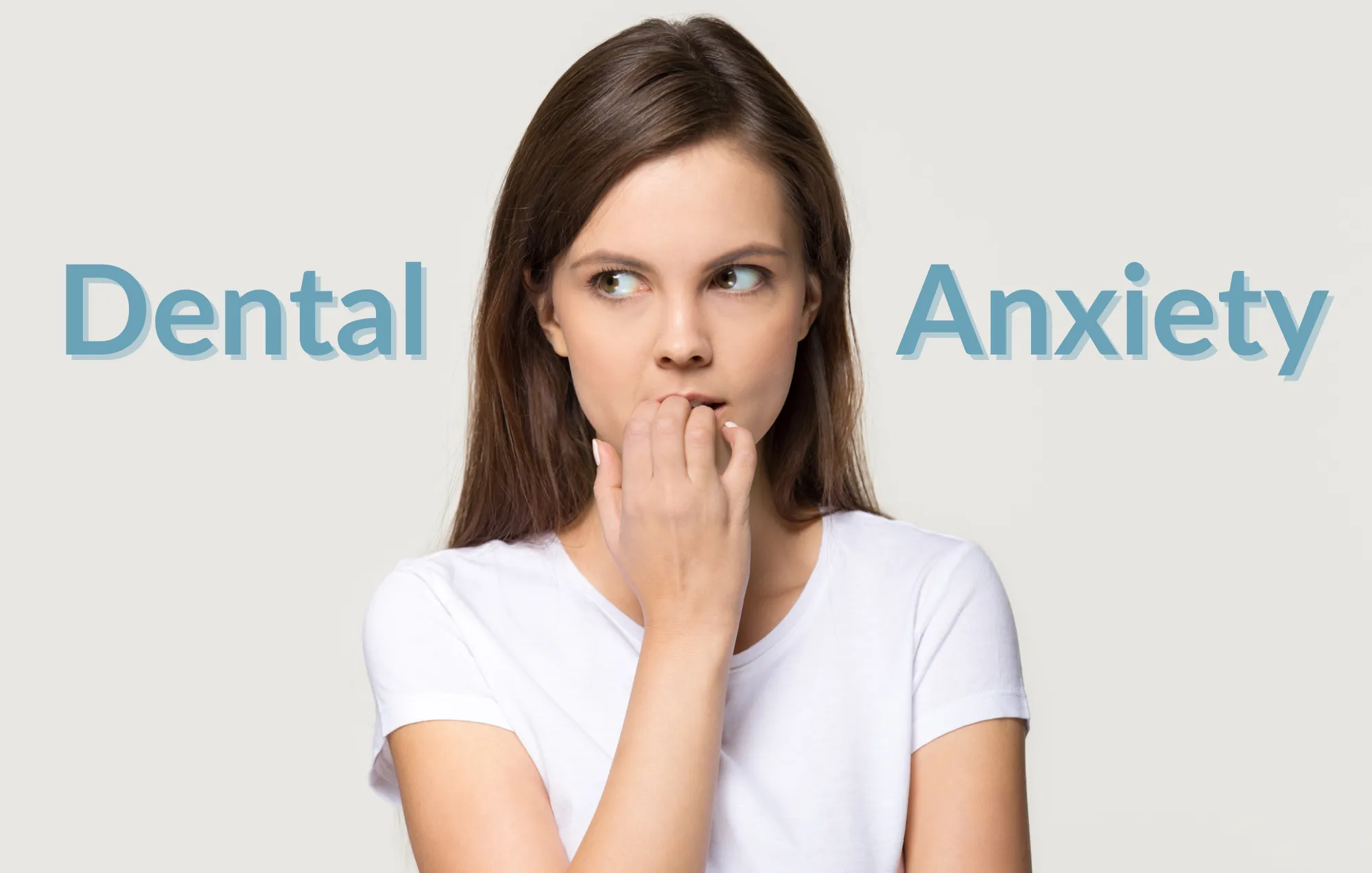
Does fear of the dentist cause you to delay or avoid dental appointments at all costs?
If you are an anxious dental patient, there are many strategies that can help you to cope.
Here, Dr Jennifer Collins, our clinical director, answers some frequently asked questions about managing dental anxiety, including how and why to seek your dentist’s help.
Q. What is dental anxiety?
Dental anxiety or fear of visiting the dentist is a common complaint, which often results in patients delaying or avoiding dental treatment. It is a feeling of uneasiness at the thought of dental visits or procedures, and can affect people of any age.
Q. What causes dental anxiety?
Dental anxiety can sometimes stem from a traumatic past experience or a childhood fear passed on from other family members. It can also be triggered by a fear of pain, loss of control, or an invasion of personal space. In other cases, patients feel embarrassed to attend because of the condition of their teeth.
Q. What are the signs and symptoms of dental anxiety?
Each person experiences dental anxiety in different ways. Some common signs include:
- Feeling physically ill when thinking of visiting the dentist
- Having trouble sleeping the night before a dental appointment
- Difficulty breathing, a racing heartbeat or palpitations while waiting to be examined
- Panic, distress or crying during a dental examination
- Using humour or aggression to mask the anxiety
Q. How can dental anxiety impact oral health?
If anxiety prevents you from visiting the dentist for regular check-ups, it can lead to more complex and costly dental issues down the line. Regular attendance allows your dentist to detect any problems at an early stage, so that simpler and less invasive treatments are needed.
Q. How can my dentist help?
The first step is to let your dentist know if you experience any level of dental anxiety. Open discussion around the individual triggers of anxiety will allow your dentist to tailor a treatment plan especially for you.
Advances in dentistry mean that the majority of modern treatments are pain free. Starting with simple procedures such as a scale and polish can help to build confidence and trust. Your dentist can also help to ease anxiety by establishing a signal or signals with you for when you need a break.
Q. What if I still feel anxious?
There are a number of coping strategies that both you and your dentist can use to help manage dental anxiety, including:
Sedation – for severe dental anxiety or phobia, your dentist may suggest use of relative analgesia, anxiety relieving medication, conscious sedation or general anaesthesia.
Mindfulness – mindfulness techniques such as deep breathing exercises can help you to think in the present, and move away from fear of what might happen or may have happened in the past.
Hypnotherapy – hypnotherapy has been proven to successfully help patients manage and overcome their fear of visiting the dentist. Hypnosis allows you to relax, while also providing an opportunity to change any negative, subconscious anxieties that may exist towards dentistry.
Distraction – if it helps you to relax during a procedure, try wearing headphones to listen to your favourite music, occupy your hands by squeezing a stress ball, or use visualisation techniques to imagine yourself at a relaxing beach.
To find your local Dental Care Ireland practice, contact us here
