
15 Common Questions First-Time Parents Ask About Their Baby’s Teeth
October 9th, 2026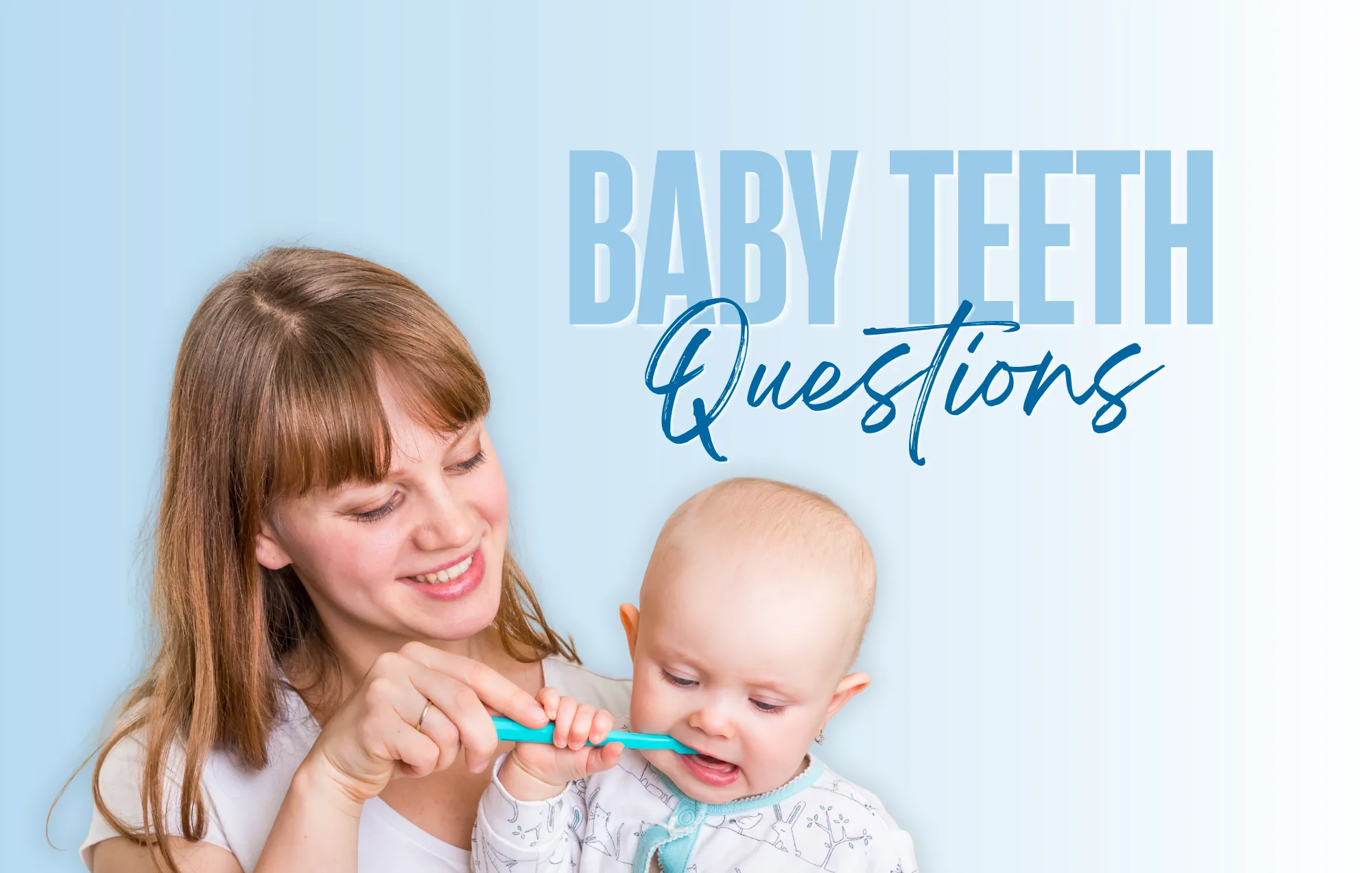
Becoming a parent comes with a lot of firsts – including your baby’s first tooth.
For first-time parents, it is completely normal to have questions about teething, brushing, toothpaste, dummies, bottles and when your child should first visit the dentist.
At Dental Care Ireland, our dental teams regularly help parents understand how to care for their baby’s teeth from the very beginning.
Baby teeth may eventually fall out, but they play an important role in helping children to eat, speak and maintain space for their adult teeth.
To help new parents feel more confident, we’ve answered 15 of the most common questions about baby teeth and children’s dental health.
1. When do babies usually get their first tooth?
Most babies get their first tooth at around six months of age, although there is a wide range of what is considered normal.
Some babies may get their first tooth earlier, while others may not develop one until closer to their first birthday.
The lower front teeth are often the first to appear, followed by the upper front teeth.
Every child develops differently, so try not to worry if your baby’s teeth arrive earlier or later than another child’s.
2. What are the signs that my baby is teething?
Common signs of teething can include:
- Increased dribbling
- Chewing or biting on objects
- Sore or red gums
- Being more unsettled than usual
- Difficulty sleeping
- Rubbing the face or gums
You may be able to see or feel a tooth beginning to emerge through the gum.
Teething can make babies uncomfortable, but symptoms such as a high temperature or significant illness should not automatically be assumed to be caused by teething. If you are concerned about your baby’s health, speak to your GP or another appropriate healthcare professional.
3. How can I help soothe my baby’s sore gums?
A chilled teething ring can help soothe sore gums.
You can also gently massage your baby’s gums with a clean finger.
Avoid freezing teething rings, as very cold objects can potentially damage delicate gums.
If your baby appears particularly uncomfortable, speak to your pharmacist, GP or dentist about appropriate options for their age.
4. When should I start brushing my baby’s teeth?
You should begin brushing as soon as your baby’s first tooth appears.
You do not need to wait until they have several teeth.
Use a small, soft toothbrush designed for babies and gently clean the teeth twice a day.
Introducing brushing early also helps make it a normal part of your child’s morning and bedtime routine.
5. Does my baby need toothpaste?
Yes. Once your baby’s first tooth appears, their teeth should be brushed with an age-appropriate fluoride toothpaste.
For children under three, only a very small smear of toothpaste is needed.
Fluoride helps strengthen tooth enamel and protect against tooth decay.
Your dentist can advise you on the appropriate toothpaste and amount to use for your child’s age.
6. How often should I brush my baby’s teeth?
Baby teeth should be brushed twice a day.
One of those brushes should always be at bedtime, with the other at another suitable time during the day.
As more teeth appear, make sure you gently brush all tooth surfaces and along the gumline.
Young children will need an adult to brush their teeth for them.
7. When should my baby first visit the dentist?
It is a good idea to introduce your child to the dentist from an early age.
An early dental visit allows your child to become familiar with the sights, sounds and surroundings of a dental practice before they ever need treatment.
It also gives parents an opportunity to ask questions about:
- Brushing
- Toothpaste
- Teething
- Diet and sugar
- Dummies and thumb sucking
- Tooth development
Early positive experiences can help children become more comfortable with dental visits as they grow.
8. Do baby teeth really matter if they are going to fall out?
Yes. Baby teeth are very important.
They help children:
- Chew and eat comfortably
- Develop clear speech
- Maintain space for adult teeth
- Develop their jaws and facial structure
Untreated decay in a baby tooth can also cause pain or infection.
Looking after baby teeth creates a strong foundation for good oral health later in childhood.
9. Can babies get tooth decay?
Yes. Tooth decay can affect teeth from shortly after they first appear.
A baby’s tooth enamel can be damaged when teeth are frequently exposed to sugars.
This is why brushing twice daily and developing healthy feeding and snacking habits from an early age are important.
Your dentist can also help identify early signs of decay before they become more serious.
10. Can giving a bottle at bedtime cause tooth decay?
Regularly allowing a baby or toddler to fall asleep with a bottle containing milk, formula, juice or another sugary drink can increase the risk of tooth decay.
When a child sleeps, saliva production decreases. If sugar remains around the teeth for long periods, bacteria have more opportunity to produce acids that attack tooth enamel.
Once teeth have erupted, try to avoid allowing sugary liquids to remain in contact with the teeth overnight.
Water is the most tooth-friendly drink between meals and around bedtime once appropriate for your child’s age and feeding stage.
11. Are dummies bad for my baby’s teeth?
Using a dummy during infancy does not necessarily mean your child will develop dental problems.
However, prolonged dummy use as a child gets older can potentially influence the development and position of the teeth and jaws.
The same can apply to prolonged thumb or finger sucking.
If you are concerned about how your child’s dummy or thumb-sucking habit is affecting their teeth, mention it at their dental examination.
12. Is thumb sucking bad for baby teeth?
Thumb sucking is common among babies and young children and can provide comfort.
For younger children, it is not usually something parents need to be overly concerned about.
However, if the habit continues for a prolonged period as the adult teeth begin to develop, it may influence tooth alignment or the way the upper and lower teeth meet.
Your dentist can monitor your child’s dental development and advise if intervention may be needed.
13. When will my child have all of their baby teeth?
Most children have their full set of 20 baby teeth by around the age of three.
The teeth usually appear gradually between approximately six months and three years of age.
The exact timing varies considerably from child to child.
These baby teeth will remain important for several years, with the first adult teeth usually beginning to appear at around six years of age.
14. What should my baby drink to protect their teeth?
Water and milk are generally the most tooth-friendly drinks for young children.
As your baby progresses onto solid foods and a wider diet, try to avoid introducing sugary drinks as an everyday habit.
Frequent exposure to juice, fizzy drinks and other sugary drinks can increase the risk of tooth decay.
It is also worth remembering that even drinks marketed specifically towards children can contain sugar.
For your baby’s individual nutritional and feeding needs, follow appropriate healthcare guidance for their age.
15. What should I do if my baby chips or knocks a tooth?
Falls and bumps are common as babies begin crawling, standing and walking.
If your child damages a baby tooth, contact your dentist for advice.
You should seek dental advice if:
- A tooth has chipped or broken
- A tooth has moved position
- There is bleeding around the tooth
- The tooth has become loose
- Your child appears to be in pain
- A tooth changes colour following an injury
- The tooth has been knocked out
A dentist can assess the injury and advise whether any treatment or monitoring is required.
How can I look after my baby’s teeth from the beginning?
Good dental habits can begin before your child is old enough to understand what brushing is.
Once the first tooth appears:
- Brush twice a day
- Use an appropriate fluoride toothpaste
- Keep sugary foods and drinks to a minimum
- Avoid frequent sugary snacks as your child gets older
- Make bedtime brushing part of the daily routine
- Introduce your child to the dentist early
- Set a good example by letting them see you brushing your own teeth
The goal is to make looking after teeth an ordinary part of everyday life rather than something children only think about when there is a problem.
When should children start brushing their own teeth?
Young children do not have the dexterity to brush their teeth thoroughly on their own.
Even when your child wants to hold the toothbrush themselves, an adult should continue to help and supervise their brushing.
As they get older, you can gradually encourage more independence while still checking that every surface is being cleaned effectively.
What if my child is afraid of the dentist?
Early, routine dental visits can help prevent dental anxiety from developing.
If your child’s first experience of the dentist happens because they already have toothache, they may naturally associate the dentist with pain or treatment.
Instead, bringing children along for routine visits when they are young allows them to become familiar with the dental environment at their own pace.
Try to keep conversations about the dentist positive and avoid using words that might make a child nervous before their appointment.
Baby teeth: the key things for first-time parents to remember
Your baby’s first tooth is the beginning of an important stage in their dental development.
The most important things to remember are:
- Start brushing as soon as the first tooth appears.
- Brush twice every day.
- Use an age-appropriate fluoride toothpaste.
- Avoid frequent exposure to sugary foods and drinks.
- Do not assume baby teeth are unimportant because they eventually fall out.
- Introduce your child to the dentist from an early age.
Small habits established during infancy can help set your child up for a healthier smile as they grow.
If your baby’s first tooth has arrived – or you simply have questions about looking after their teeth – your local Dental Care Ireland team can provide advice and support for your child’s oral health.
Frequently Asked Questions About Baby Teeth
What age should a baby get their first tooth?
The first baby tooth commonly appears at around six months, although some babies develop teeth earlier or later.
Should I brush my baby’s first tooth?
Yes. Start brushing twice a day as soon as the first tooth appears.
Do babies need fluoride toothpaste?
An age-appropriate fluoride toothpaste can help protect baby teeth against decay. Only a very small amount is needed for babies and young children.
When should a baby first see a dentist?
Introducing children to the dentist early can help establish good dental habits and allow their development to be monitored.
How many baby teeth do children have?
Children usually develop 20 baby teeth in total, typically by around three years of age.
Can baby teeth get cavities?
Yes. Tooth decay can develop in baby teeth, which is why brushing, diet and regular dental care are important from an early age.
Are baby teeth important?
Yes. Baby teeth help with eating and speech, support normal development and maintain space for the adult teeth that will eventually replace them.
