
Treatments
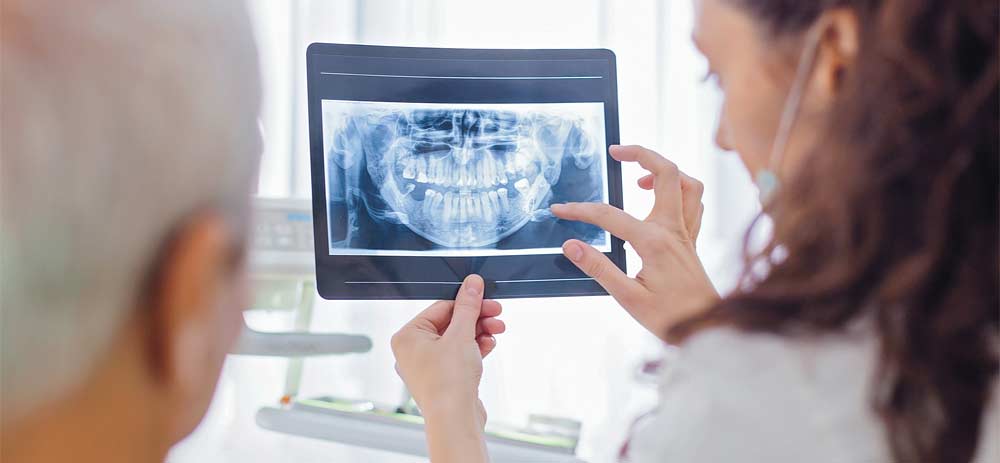
At Northumberland Dental Care, both your oral and dental health are our top priority. We will do everything we can to save your teeth and bone structure, but sometimes extraction and/or grafting are the only options if tooth loss is inevitable. In such cases, an oral surgeon will perform surgery to rectify the issue.
What happens during oral surgery?
Regardless of the surgery you need to have, we will talk you through the process to ensure you are comfortable and prepared. Our oral surgeon will administer either a local anaesthetic, general anaesthetic or intravenous injection. You will receive both pre and post-operative guidance and instructions from our team.
Why is oral surgery needed?
Unfortunately, in some cases it is impossible to save a tooth and extraction is needed. The teeth most likely to be extracted are wisdom teeth, large molars found at the very back of the jaw. They are generally the last teeth to appear in the mouth, and can become impacted or trapped by other teeth, causing pain and disruption.
Our oral surgeon can also perform bone grafting, whereby we replace missing bone. We are able to do this because bone tissue can regenerate completely if given the space to do so. This grafting can take place in the socket or sinus region, as well as in larger areas if you are already wearing dentures.
Guided bone regeneration is also an option to “fill in the gaps” left by missing teeth.
What happens after the treatment?
Our oral surgeon will give you detailed instructions on what to expect and what to do following surgery. We will let you know warning signs so that you can return to us as soon as possible if you experiencing undue pain.