
Erosive Tooth Wear FAQ’s
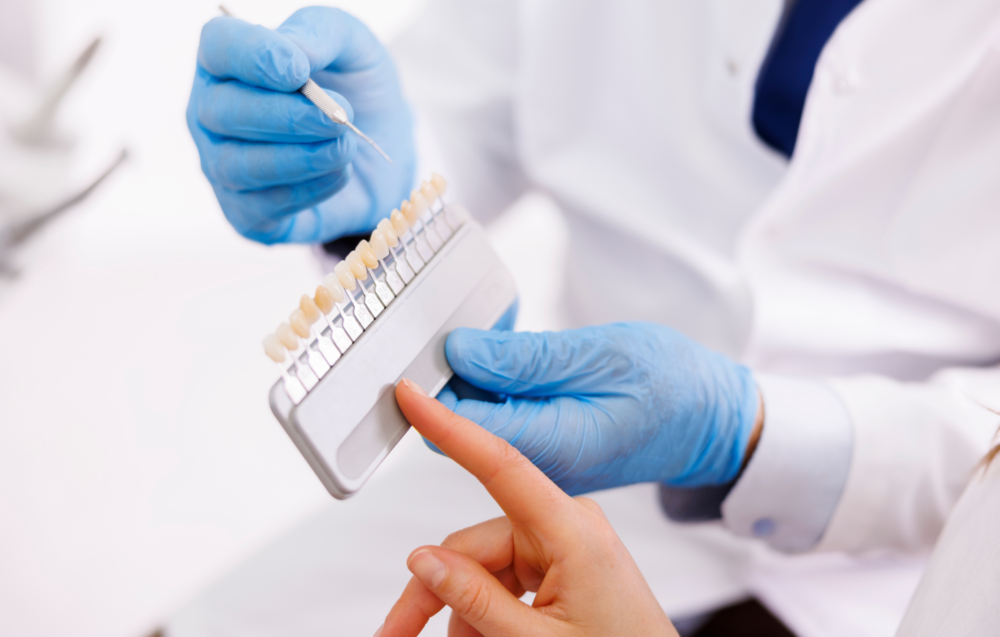
Erosive tooth wear, or tooth erosion, is much more common than you may think. Did you know that about a third of all adults experience erosive tooth wear? This can occur due to a variety of reasons, but there are ways to prevent and treat this!
Dr Saoirse O’Toole, Prosthodontist at Northumberland Dental Care, has answered some of your frequently asked questions about erosive tooth wear.
What is erosive tooth wear?
Erosive tooth wear refers to the loss of tooth structure which begins when the enamel of the tooth becomes weaker and wears away over time. Even though enamel is the toughest substance in the human body, constant acid challenges from your diet or stomach combined with tooth grinding can wear it away. Unfortunately, once it is gone, enamel or dentine will not come back, unlike other substances in the human body such as skin and bone. The best thing to do is find out what is causing the wear and try to prevent it.
What’s the difference between erosive tooth wear and tooth decay?
Erosive tooth wear is not the same as tooth decay. While both conditions break down your teeth, tooth decay is caused by weak acids from plaque and bacteria. Sugar from the diet is digested by bacteria to make an acid which causes localised deep holes or “cavities” in the teeth. Erosive tooth wear is from stronger acid challenges, tooth grinding and excessive tooth brushing that tends to affect many tooth surfaces across the mouth.
What causes erosive tooth wear?
The main cause of erosive tooth wear is from acids in your diet such as fizzy drinks, acidic fruits, any fruit flavoured drinks (including normal water with a squeeze of lemon in it) and sports drinks. To start the process, research has shown that there needs to be acid challenges multiple times a day, especially outside of mealtimes. A less common but more severe cause is from gastric reflux (heartburn) where acids from the stomach come into the mouth. This can cause severe wear quite quickly. Patients experiencing vomiting eating disorders also present with erosive tooth wear. When these harsh acidic conditions are present at the same time as tooth grinding and aggressive tooth brushing, erosive tooth wear can be a real problem.
How do I know if I am experiencing erosive tooth wear?
Mild erosive tooth wear is common as we all have a bit of wear and tear on our teeth, particularly as we age. When we have erosive tooth wear that is more severe than what a dentist would expect for your age, the most common sign is changes in tooth appearance (yellow-ish colour), change of shape, teeth becoming shorter, chipped or more translucent and fragile. Very sensitive teeth is often an indicator that there is active acid erosion happening. It is important to note that you may not experience all of these symptoms and it is important to visit your dentist regularly to help diagnose and prevent erosive tooth wear at the earliest stage.
How can I prevent erosive tooth wear?
There are several things you can do to care for your teeth which will help prevent tooth erosion. Firstly, it’s important to avoid snacking on acidic drinks, including seemingly healthy drinks like lemon water, fruit flavoured teas and smoothies. Try to keep these to every other day if possible. If you are susceptible to tooth wear, we may advise you to limit fruits to just mealtimes. Although they are part of a balanced diet, eating them too much between meals can cause acid damage. Vegetables are not acidic and you can snack on these as much as you want.
If you suspect you have gastric reflux, talk to your GP to help you manage your symptoms. If you are currently going through a vomiting eating disorder, your GP may be able to help you. Please do consider telling your dentist. I have a lot of patients who present with eating disorders. Our focus is always to help and make sure that the teeth do not add to any problems you may be experiencing.
If you grind your teeth badly, your dentist can make you a mouthguard to wear at night to protect against wear on the teeth.
It’s also important to be mindful of how you brush. You only need to brush your teeth twice a day, using a low-abrasivity. fluoridated toothpaste. The whitening toothpastes are often highly abrasive and remove stains by removing parts of tooth structure. Ideally, time yourself when brushing so you brush each section of your mouth for the same amount of time. It is very common for people to spend a lot of time brushing one side of their mouth and not the other. You should not brush your teeth straight after eating or drinking something acidic. However, if that is your only time that you can brush your teeth that morning or evening then go ahead and brush. Not brushing at all will cause more damage to your teeth overall.
What can I do to repair my teeth after erosive tooth wear?
Unfortunately, dental structure does not grow back so the main thing to do if you have mild damage is to stop it from getting worse by avoiding excessive acid exposure, protecting your teeth with a mouthguard if you grind and brushing your teeth and gums gently.
If the damage is quite bad such that it affects the way you smile or eat, you may want to discuss with your dentist on different options to rebuild the teeth and smile with dental materials. Mild to moderate tooth erosion can be repaired with composites, which are tooth coloured materials that stick to the teeth. For more severe cases of erosive tooth wear, your dentist may recommend crowns or caps to repair your teeth. It is important to note that it is important to diagnose the cause of the wear as this will impact on the success of your treatment. Finding a good clinician who can walk you through all of the options from prevention to a full smile rehabilitation with a predictable outcome is half the battle.
It’s important to visit your dentist regularly so that you can treat any dental issues early. If you would like to book an appointment at Northumberland Dental Care, or you are concerned about tooth erosion, you can find our contact details here.