
Choose Your Mouthwash Wisely
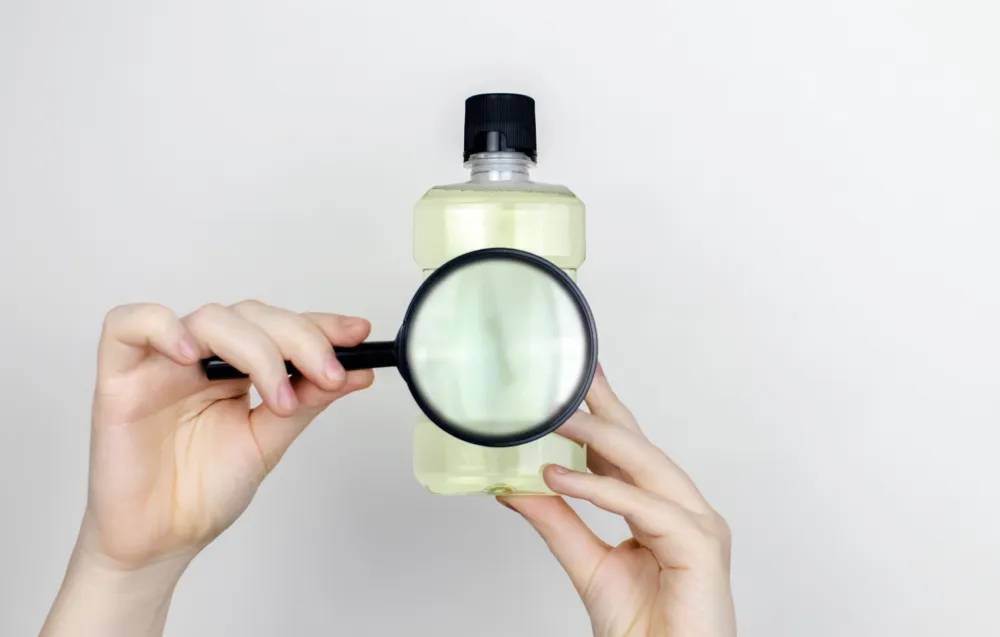
Dr Jennifer Collins, Lead General Dentist at Northumberland Dental Care, explains that the primary purpose of most popular mouthwashes is to eliminate bacteria in the mouth. Using mouthwash aids in reducing oral bacteria, which in turn decreases the formation of dental plaque.
Dr Jennifer adds that mouthwash not only imparts a clean and fresh sensation to the mouth but also contributes to overall oral health. However, not all mouthwashes are the same, and it’s important to do your research or speak with your dentist to help you select the correct mouthwash to suit your needs.
There are two main categories of mouthwash:
Therapeutic Mouthwashes: These varieties contain active components designed to combat bacteria, potentially lessening issues such as plaque, gingivitis, cavities, and bad breath. Mouthwashes containing fluoride are particularly effective in preventing or minimising tooth decay.
Cosmetic Mouthwashes: These types may provide temporary control over bad breath and leave a pleasant taste in the mouth. However, they don’t offer the same benefits as therapeutic mouthwashes in terms of cavity prevention or gum disease reduction.
Dr Jennifer outlines the variability of mouthwash ingredients available in pharmacies, each tailored to address distinct dental concerns, from breath freshness to teeth whitening. Understanding these ingredients, their effects, and benefits is crucial.
Some common over-the-counter mouthwash ingredients include:
Antiseptic: These alcohol-based mouthwashes are suitable for individuals with mouth infections. However, they may cause discomfort due to their intense burning or tingling sensation. Dr Jennifer advises caution as excessive use can sometimes lead to teeth discoloration.
Fluoride: Mouthwashes containing sodium fluoride are effective in cavity prevention and combating tooth decay. Using both fluoride toothpaste and mouthwash may provide more fluoride than needed.
Peroxide: Certain over-the-counter mouthwashes contain hydrogen peroxide (1.5%-3%), which whitens teeth by breaking down stains through oxidation. While effective, these should be used moderately to avoid enamel damage.
Essential Oils: These holistic mouthwashes are alcohol-free and use safer ingredients. They offer an alternative to traditional mouthwashes.
Flavouring and Dyes: Fillers, flavourings, and dyes are added to provide taste and visual appeal. Surfactants are present in 92.5% of mouthwashes, sweeteners in 96.7%, preservatives in 82.2%, and flavouring agents in 99.2%.
Prescription mouthwashes, like those containing chlorhexidine, are more potent and tailored for specific conditions such as dry socket and gingivitis. Dr Jennifer stresses that while mouthwash can complement oral hygiene by accessing hard-to-reach areas, it should not replace brushing and flossing.
It’s worth noting that using mouthwash solely to mask bad breath might not address the underlying cause, which could be bacterial. For treating halitosis, Dr Jennifer emphasises the importance of using a mouthwash or treatment that targets the bacteria responsible.
Before choosing a mouthwash, it’s advisable to consult with your dentist to determine the most suitable type based on individual oral care requirements. To book your next appointment with Northumberland Dental Care, contact us on (01) 668 8441 or book online.